
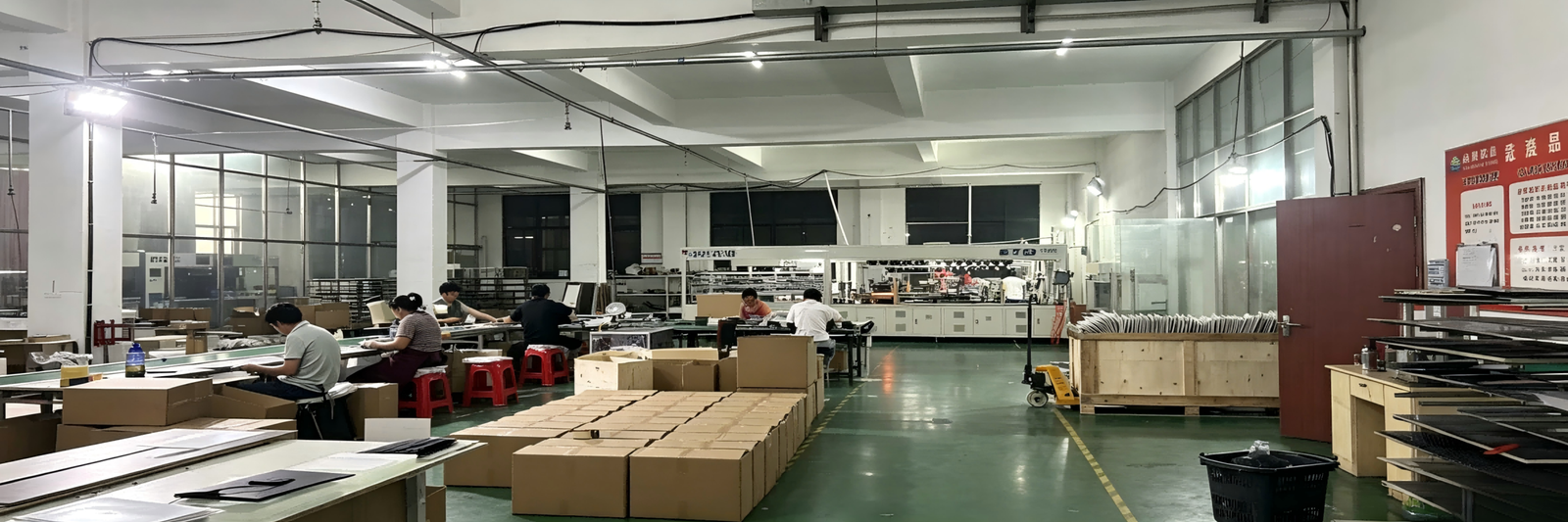
Finding reliable solar street lights manufacturers is a core concern for overseas engineering buyers. This full guide shares actionable ways to pick qualified factories and dodge typical procurement mistakes when buying solar street lights.
the issue now is that many foreign engineering contractors aren’t incapable of selecting appropriate lighting fixtures; rather, they have chosen the wrong partner manufacturers.
The market is flooded with intermediaries and traders offering a wide variety of quotes. Many buyers focus solely on low prices, only to end up with a mess characterized by declining product quality, frequent malfunctions, and complete lack of after-sales support.
Today, I’ll share a practical, actionable method for selecting solar street light manufacturers that engineers can implement directly—helping you avoid 90% of common procurement pitfalls.
Prioritize risk avoidance: Clearly distinguish between “source manufacturers” and “intermediaries”.
When purchasing solar street lights, never blindly trust the lowest price quoted by intermediaries.
Traders lack production lines and quality control capabilities, forcing them to resell products at rock-bottom prices. When quality issues or delivery delays arise, they typically shift blame and evade responsibility.
Only genuine source manufacturers can ensure transparent specifications, controllable costs, standardized production processes, and guaranteed quality. Under equivalent budgets, the material standards, craftsmanship details, and durability of products from source manufacturers far surpass those of commercially resold items.
For overseas buyers, distinguishing factories from middlemen is the first step to cooperating with reliable solar street lights manufacturers.
Sample vs Mass Goods: How Reliable Solar Street Light Manufacturers Avoid Sample Fraud
Prices are for reference only. Reliable solar street lights manufacturers with strong production capacity and industrial design capability is the core factor determining product quality.
Solar street lights are long-lasting outdoor equipment designed for extended use, not disposable items.
To put it plainly: 90% of a solar streetlight’s final quality depends on the factory’s manufacturing capabilities.
Production line equipment, quality control processes, component supply chains, and technical debugging capabilities directly determine whether streetlights can operate stably for 3–5 years. An excessive focus on low cost will ultimately lead to higher expenses for rework, repairs, or replacements.
Be sure to verify the enterprise’s real factory qualifications before signing the contract
Before entering into a partnership, do not rely solely on sales representatives ‘verbal descriptions; always verify the partner through the company’s information platform to ensure they are a genuine manufacturing facility rather than a shell company or trading entity.
Prevent the risks associated with shell companies at the source, avoiding situations where manufacturers become unreachable after placing orders or customer support services are unavailable.
Ultimate Risk Control for Engineering Procurement: Pay the deposit only after all required documents are submitted.
To fully ensure project safety and eliminate the risk of fraudulent practices, it is recommended to adhere to industry-standard procurement risk control protocols: require manufacturers to mail a complete set of stamped documents in advance, and only pay the deposit after verification.
Essential Document List:
1. Formal purchase and sales contract (stamped with the factory’s official seal)
2. Official warranty certificate stamped by the factory
3. Copy of the enterprise business license
4. Tax payment certificate for the previous year
5. Copies of the sales representative’s ID card/passage.
This risk control process effectively identifies the manufacturer’s liability, preventing high-risk issues such as invalid verbal commitments, post-sale disputes, or the manufacturer’s withdrawal, making it the most reliable approach for large-scale engineering procurement.
Summarize
For standardized outdoor lighting projects, you can check global lighting specifications published by the International Dark-Sky Association when cooperating with solar street lights manufacturers.

Written by
sonycao1975@gmail.com
Solar energy specialist at Jinborui Electric Co., Ltd. -- delivering reliable photovoltaic solutions for government and engineering projects worldwide.
Leave a Reply